
Built to Last: Choosing the Right Countertops for Your High-Traffic Kitchen
The kitchen is the heart of the home, especially here in Middlesex County. It’s where homework gets done, morning coffee is brewed, and countless meals are prepared. It’s a hub of constant activity, which means every surface, especially your countertops, needs to be ready for anything. Choosing a countertop isn't just about finding a color you like; it's about investing in a durable, functional surface that can withstand the demands of your family's daily life. The wrong choice can lead to scratches, stains, and constant worry. The right choice provides peace of mind and lasting value.
So, how do you find a countertop that is both beautiful and tough enough for your busy household? In this guide, we'll break down the top materials known for their durability, compare their strengths and weaknesses, and help you select the perfect surface for your kitchen remodeling project.
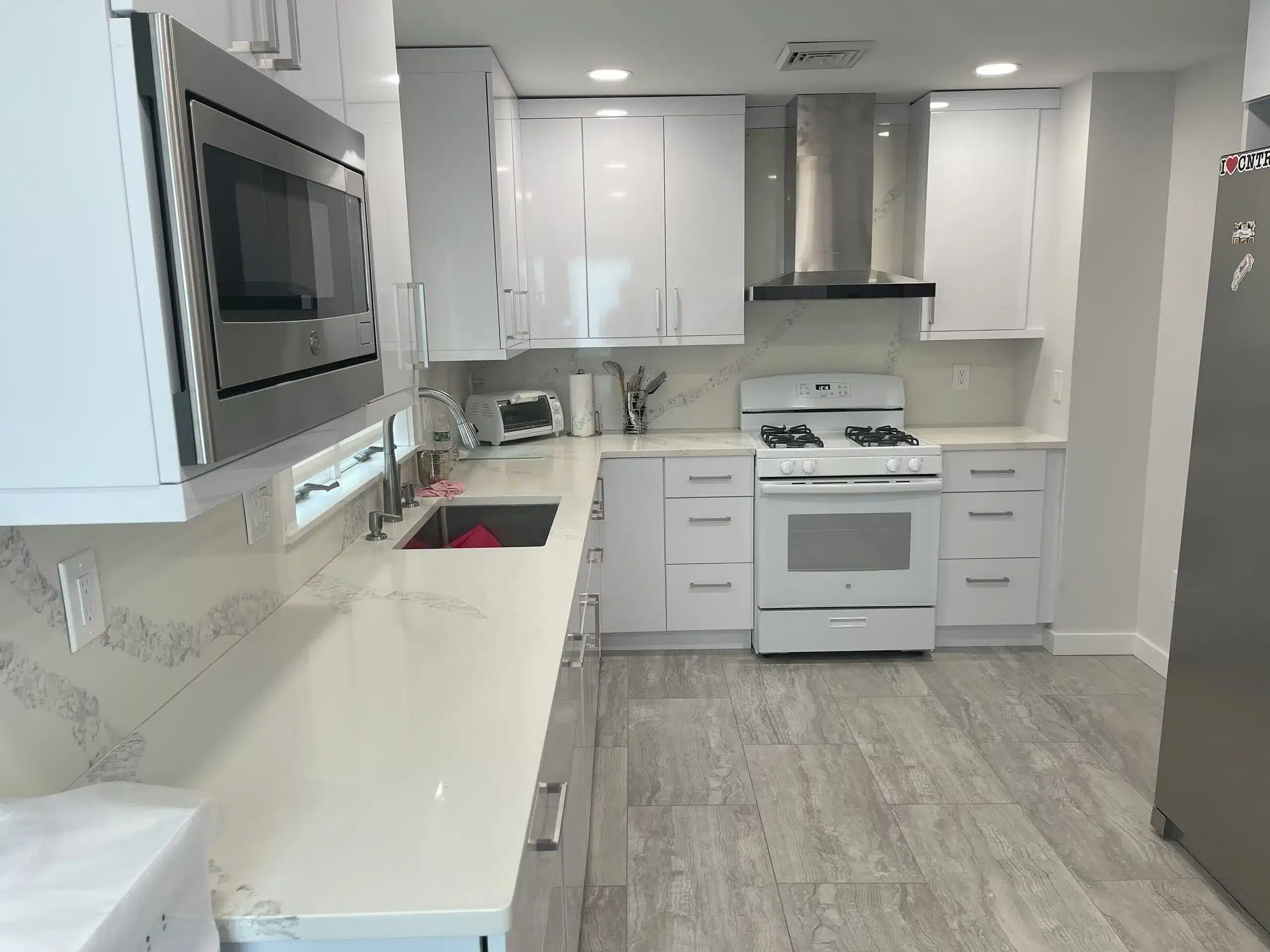
Understanding Countertop Durability: What to Look For
When we talk about a "durable" countertop, we're referring to its ability to resist the four main types of kitchen wear and tear: stains, scratches, heat, and impact. A surface that excels in these areas will not only look great for years to come but will also require less maintenance, freeing you up to enjoy your space without stress. Homeowners prioritize quality workmanship and reliability, and that starts with choosing the right materials.
Here’s a quick breakdown of these key durability factors:
- Stain Resistance: A non-porous or well-sealed surface will prevent liquids like wine, coffee, or juice from seeping in and leaving a permanent mark.
- Scratch Resistance: A hard surface is essential to resist scratches from knives, keys, or dragged ceramic dishes. The Mohs scale of hardness is often used to measure a material's scratch resistance.
- Heat Resistance: The ability to withstand hot pots and pans without scorching, melting, or discoloring is a crucial feature for any active cook.
- Impact Resistance: A strong countertop should be able to handle the occasional dropped can or heavy pot without chipping or cracking easily.
The Top 3 Contenders for a High-Traffic Kitchen
Navigating the world of countertops can be overwhelming, but for durability, a few materials consistently rise to the top. Each offers a unique blend of performance, aesthetics, and maintenance requirements.
1. Quartz (Engineered Stone)
Quartz is an engineered product made from about 90-95% ground natural quartz and a small percentage of polymer resins. This composition makes it incredibly strong and, most importantly, non-porous.
- Pros: It's highly resistant to stains and scratches and never needs to be sealed. The manufacturing process allows for a vast range of consistent colors and patterns, from solid whites to designs that mimic natural marble.
- Cons: While heat resistant, extreme temperature changes or placing a very hot pan directly on the surface can cause damage or discoloration.
- Best For: Busy families who need a low-maintenance, worry-free surface that consistently looks pristine.
2. Granite
For those who love the unique, one-of-a-kind beauty of natural stone, granite is a classic and formidable choice. Each slab is unique, with its own distinct patterns and colors.
- Pros: Granite is highly resistant to heat and scratches. You can place hot pans directly on it without fear, and it will stand up to heavy use.
- Cons: It is a porous stone, meaning it must be sealed periodically (typically once a year) to protect it from stains. If not sealed properly, it can absorb liquids.
- Best For: Homeowners and avid cooks who appreciate the natural, unique beauty of stone and are comfortable with minimal annual maintenance.
3. Quartzite
A natural metamorphic rock, quartzite should not be confused with engineered quartz. It is quarried in large slabs and offers a look that often rivals the elegance of marble but with far superior durability.
- Pros: Quartzite is harder than granite, making it exceptionally resistant to scratching and etching. Its natural veining provides a stunning, high-end aesthetic.
- Cons: Like granite, it is porous and requires sealing to prevent stains. It can also be one of the more premium-priced options.
- Best For: Those who desire the luxurious look of marble but need a much tougher surface for a real-world kitchen environment.
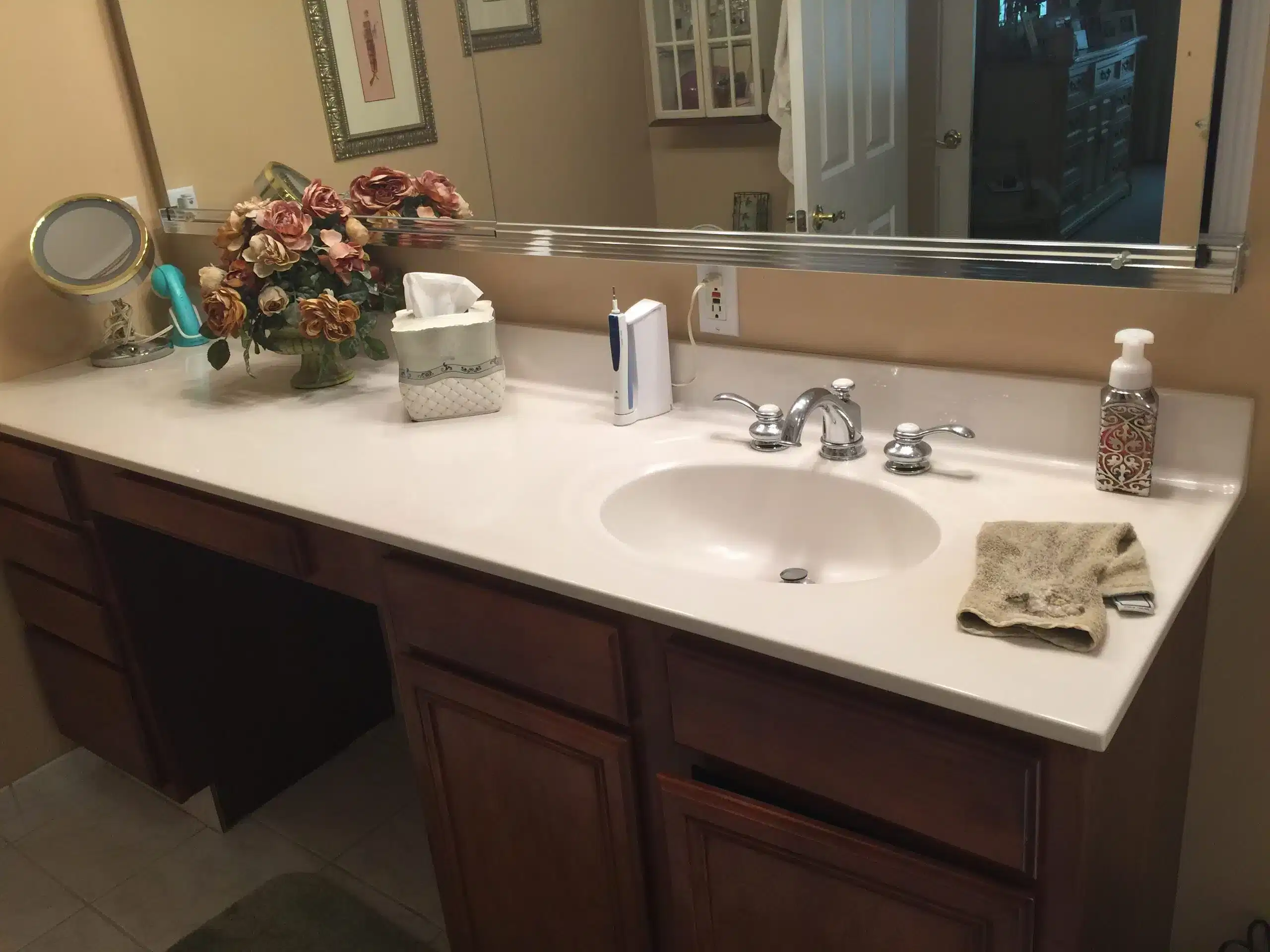
Beyond the Slab: Why Professional Installation Matters
Choosing the right material is only half the battle. The longevity and performance of your countertop depend heavily on the quality of its fabrication and installation. This is where professional expertise becomes invaluable. A successful project relies on precise measurements, expertly cut slabs, and seamless joins that are nearly invisible. For natural stones like granite and quartzite, the initial sealing process is critical to ensure long-term stain resistance.
Working with an experienced design-build team ensures that every detail is managed correctly, from selecting the perfect slab to integrating it flawlessly with your custom cabinetry and backsplash. This commitment to quality craftsmanship guarantees that your investment not only looks beautiful on day one but performs reliably for years to come, preventing issues that can arise from improper installation.
Find the Perfect Countertop for Your Home
Ultimately, the best countertop is one that fits your lifestyle, aesthetic preferences, and maintenance tolerance. By focusing on durable materials like quartz, granite, and quartzite, you can create a kitchen that is truly built to handle the rigors of daily life without sacrificing style.
If you're ready to transform your kitchen with a beautiful and resilient new countertop, the team at Atlantic Kitchen & Bath is here to help. We guide homeowners throughout the region in selecting the ideal materials for their needs and ensure a flawless installation every time. Contact us today to schedule a design consultation and let's start planning the kitchen of your dreams.